
Add Brand Collaboration to your 2020 Strategy
Brand collaborations are here to stay. If you’re new to this concept, let me help you navigate what it is, some premiere examples, and how it can be beneficial to your brand.
What is brand collaboration? A strategy in which two or more brands align for a specific product, cause, service to attain a competitive advantage in the marketplace.
One of the biggest reasons why people tell me they don’t utilize this strategy is because they don’t want attention to deter away from their own product or service. And in my opinion, that’s just a big excuse for not wanting to put the effort into doing the work. Some can misconstrue brand collaborations as sponsorship opportunities, and that’s because sometimes they are. But at the end of the day, it’s about 2 brand colliding for a common goal…new eye balls, your money, and potential loyalty.
Here’s some example of amazing brand collaborations and why they work.
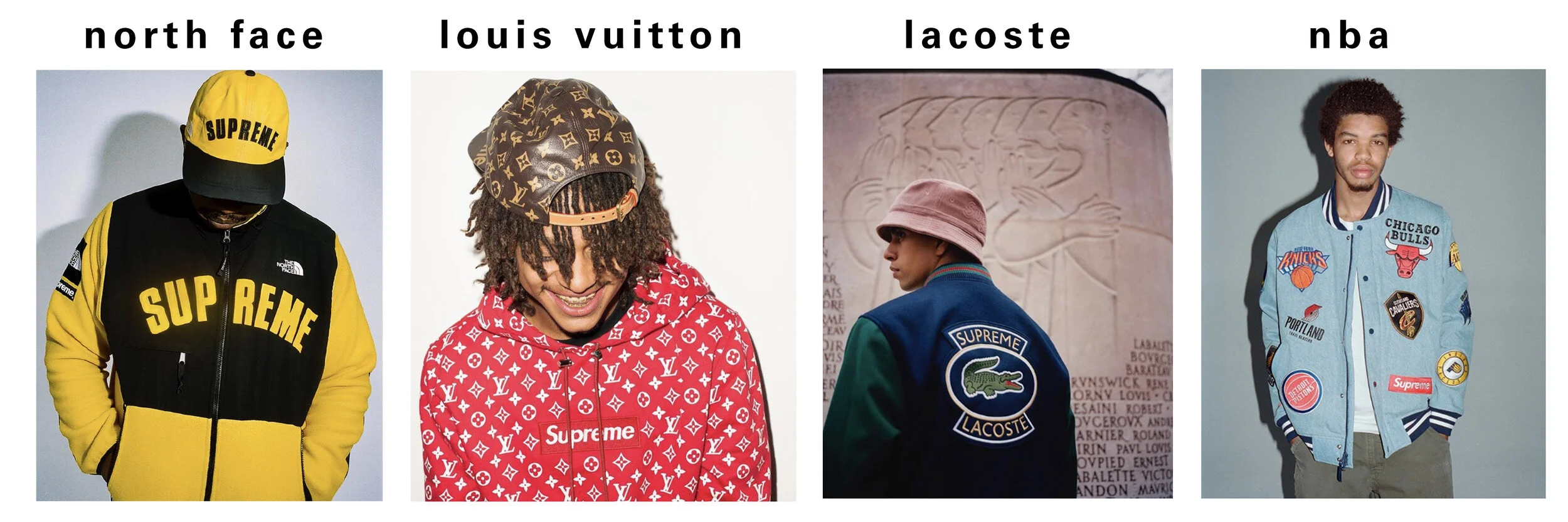
Supreme
Supreme is one of my favorite examples when talking to people about brand collaboration, because they have done it a little more unconventional than most brands, and yet arguably one of the hottest clothing brands in America. Usually, a brand collaboration is targeted by demographic and executed, ideally, with products that aren’t in direct competition. They’ve done collaborations with Nike, Lacoste, North Face, NBA, Vans, and so much more. They work with each brand to make sure their clothing is unique. Of course this model isn’t for every brand, but certainly makes the case for incredible collaborations of the same type of product. Some of these brands didn’t have a lot of relevance to the Supreme demographic like maybe Louis Vuitton, which made the collaboration work.
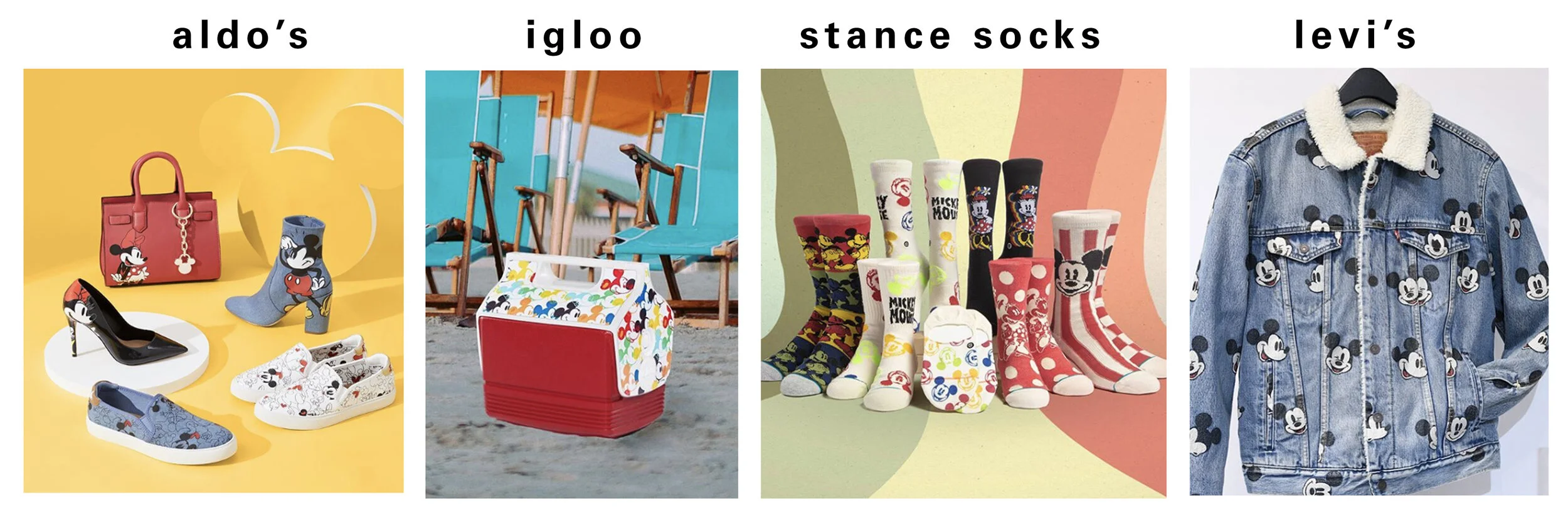
Mickey Mouse’s 90th Birthday Celebration
I’m pointing this out because it’s unusual for Disney to do a ton of brand collaborations, but they did a very great job tapping into different markets to celebrate Mickey’s 90th birthday. All year long, they had different brand collaborations pop up so that the magic was spread out rather than just everything at once. Disney could have done a collaboration with these brands at any time, but they waited for a specific moment to set up with exclusive Mickey merch.
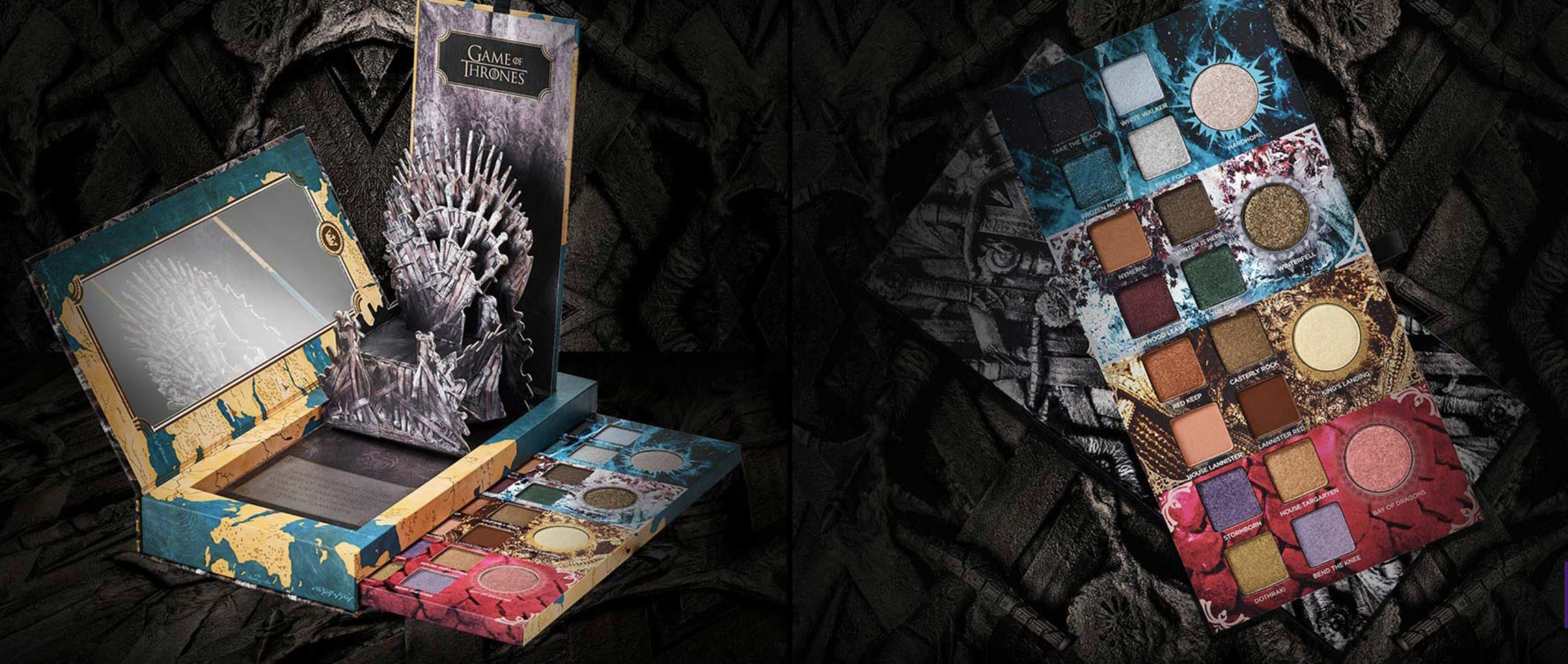
Game of Thrones x Urban Decay (makeup)
I can’t say what the true demographic of the people that watched Game of Thrones actually was, but it was definitely the topic of the entertainment world for quite some time. Urban Decay capitalized on a trending item with unique merchandise. I actually remember friends of mine going to Sephora to grab these because they were so popular.
Those are some of my favorite brand collaborations, but you don’t need to collaborate with a brand powerhouse to call it brand collaboration or even make merchandise with someone else. It could be 2 neighborhood companies getting together, 2 agencies collaborating on a project, or just 2 brands getting together for a common cause or content.
With the advantages of brand collaborations primarily being: expanding your audience, brainstorming power for your product, increasing brand credibility, and potentially increasing revenue. You never know, it could be so well received that it could be a yearly endeavor.
I would argue that doing a well-strategized brand collaboration, that’s not just one post, actually might be more beneficial to your business than paying an influencer for a post. Especially if both parties are doing equal marketing. If the brand you work with is bigger, there’s a chance they already have influencers invested in their brand that might want to jump on board with the collaboration.
Here’s the key to brand collaborations…
Make sure you’ve identified the right collaboration partner. This might take time, but that’s okay if it’s the right one. Budget, commitment, execution and goals should all be aligned to make a good partnership.
Brainstorm together on how you envision the collaboration is going to look.
Utilize each other’s strengths. Lay out all the factors needed and each brand’s strengths. One company may have some resources you don’t know about.
Be open to new ideas and workflows.
Have a content execution plan, not just a merchandise plan.
Make sure the timing is right for both parties.